
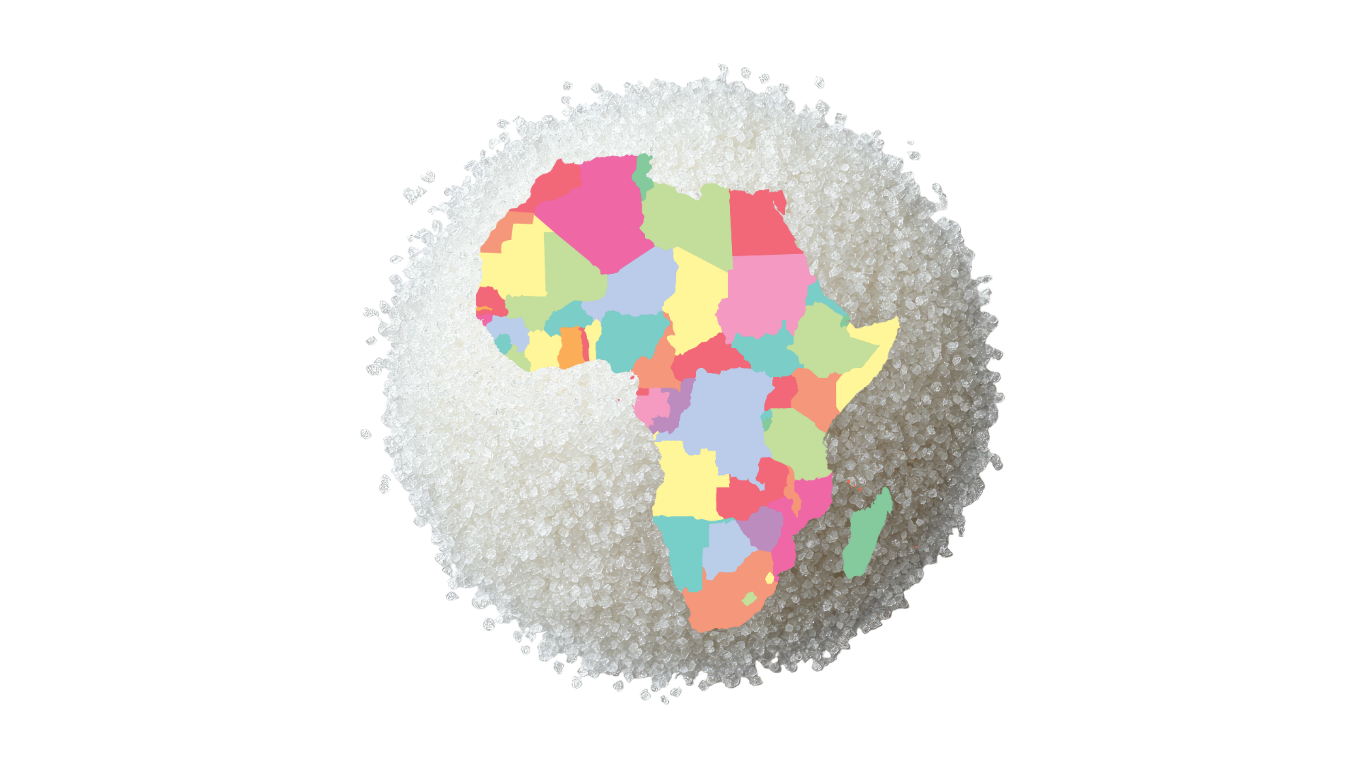
In recent years, global investigations have revealed a troubling pattern: baby foods, cereals, and follow-on formulas sold in many African countries contain significantly more added (processed) sugar than the versions of the same products sold in Europe, Australia, or the United States. While the issue varies by brand and product type, the pattern is consistent enough to raise legitimate public-health concerns.
So why is this happening?
1. Regulatory differences
Many African countries have weaker or less-enforced regulations on added sugars in baby products. Some nations follow Codex Alimentarius standards, which allow more flexibility than stricter European regulations. When oversight is limited, manufacturers can legally sell sweeter products that would not be permitted in many Western markets.
2. Market preferences shaped over time
Baby cereals and follow-on milks with added sugar have been widely marketed in Africa for decades. Because these products become familiar early in life, they create cultural expectations that baby foods should taste sweet. Manufacturers then produce products to match this “expected” flavour profile, perpetuating the cycle and establishing an effective subscription model of sugar addicts.
3. Commercial competition
In highly price-sensitive markets, companies often rely on taste appeal to secure brand loyalty. Sugar makes products more palatable, especially to babies transitioning to solids at about 7 months. In competitive environments, added sweetness becomes a commercial advantage.
4. Marketing freedom
Investigations by groups such as Public Eye and major international newspapers have documented more aggressive marketing of ultra-processed baby foods in lower-income regions than would be allowed in Europe. This includes promoting sweetened products as ideal for growth and energy — messaging banned in many high-income countries.
5. The “double-standard” problem
Perhaps the most troubling factor is this:
The same multinational brand may sell a “no added sugar” version in Europe while selling a sweetened version in Africa. Companies state they comply with all local regulations — and they often do — but the result is a two-tier nutritional system.
The outcome is clear: African children are often exposed to added sugars far earlier and in higher quantities, shaping taste preferences and compromising long-term health trajectories.


Leave a comment
This site is protected by hCaptcha and the hCaptcha Privacy Policy and Terms of Service apply.