
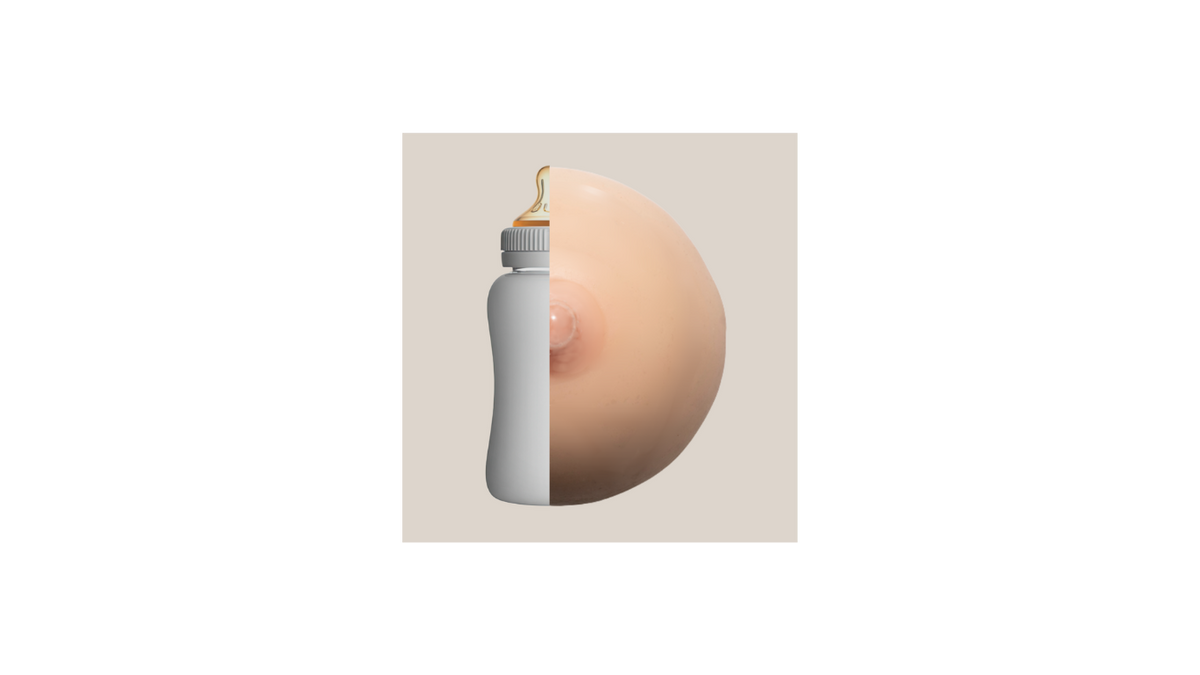
While breastfeeding is biologically designed for human infants, many families describe practical advantages to formula feeding.
One of the most commonly cited advantages is feeding frequency. Breast milk is rapidly digested, meaning breastfed babies often feed every 2–3 hours — sometimes up to 10–12 times a day.
Formula, which is typically based on cow’s milk proteins, takes longer to digest. As a result, formula-fed babies may feed less frequently — often around 6–8 times per day — and may go longer between feeds.
This can translate into longer rest periods for babies. Babies who sleep for longer stretches are often labelled “good babies,” reinforcing a perception that formula fed babies are easier and better behaved.
Bottle feeding can also feel more efficient. Milk flows more readily from a bottle, requiring less effort from the baby compared to breastfeeding. It also allows other caregivers to step in, giving the primary parent more flexibility.
Another factor is measurement and control. With formula, parents can see exactly how much their baby is consuming. For some — particularly those feeling anxious about supply — this can help control anxiety in the early weeks.
There are also biological considerations.
Exclusive breastfeeding can delay ovulation (a process known as lactational amenorrhea), meaning parents who breastfeed generally have a least two years between babies.
But for parents wanting children close together, this is easier for formula feeding mothers because they return to fertility very soon after they stop breastfeeding.
Finally, there is a social element. Bottle feeding is widely accepted in public, often without the scrutiny and shame that breastfeeding mothers experience.
Feeding decisions are deeply personal. Understanding the practical realities on both sides allows for more informed — and more compassionate — conversations.
Benefits of breastfeeding can include:
- Saving about $2,000 on formula products
- Reduction in gastro, ear and respiratory infections
- Savings due to less health related appointments
- Reduced incidence of autoimmune diseases, and cancers for mum and bub
- Natural contraception
- Natural ‘feel good’ hormones for health improvement
- No equipment needed when heading out the door.
Benefits of formula feeding can include:
- Easier to return to work faster so can help with family income
- Baby sleeps for longer periods due to cows milk proteins in formula having delayed digestion in humans, so babies labelled 'good'
- Easier to have babies in quick succession (due to lack of natural contraception)
- Formula fed babies need less feeds (about 6 feeds/day vs breastfed babies needing 10-12 feeds per day)
- Feeding is faster as milk comes out of the bottle faster and with less effort for the baby
- More socially acceptable in public so no humiliating requests to leave cafes or airport lounges.
None of our blogs are medical advice. For medical advice, please consult your health professional.



Laisser un commentaire
Ce site est protégé par hCaptcha, et la Politique de confidentialité et les Conditions de service de hCaptcha s’appliquent.