
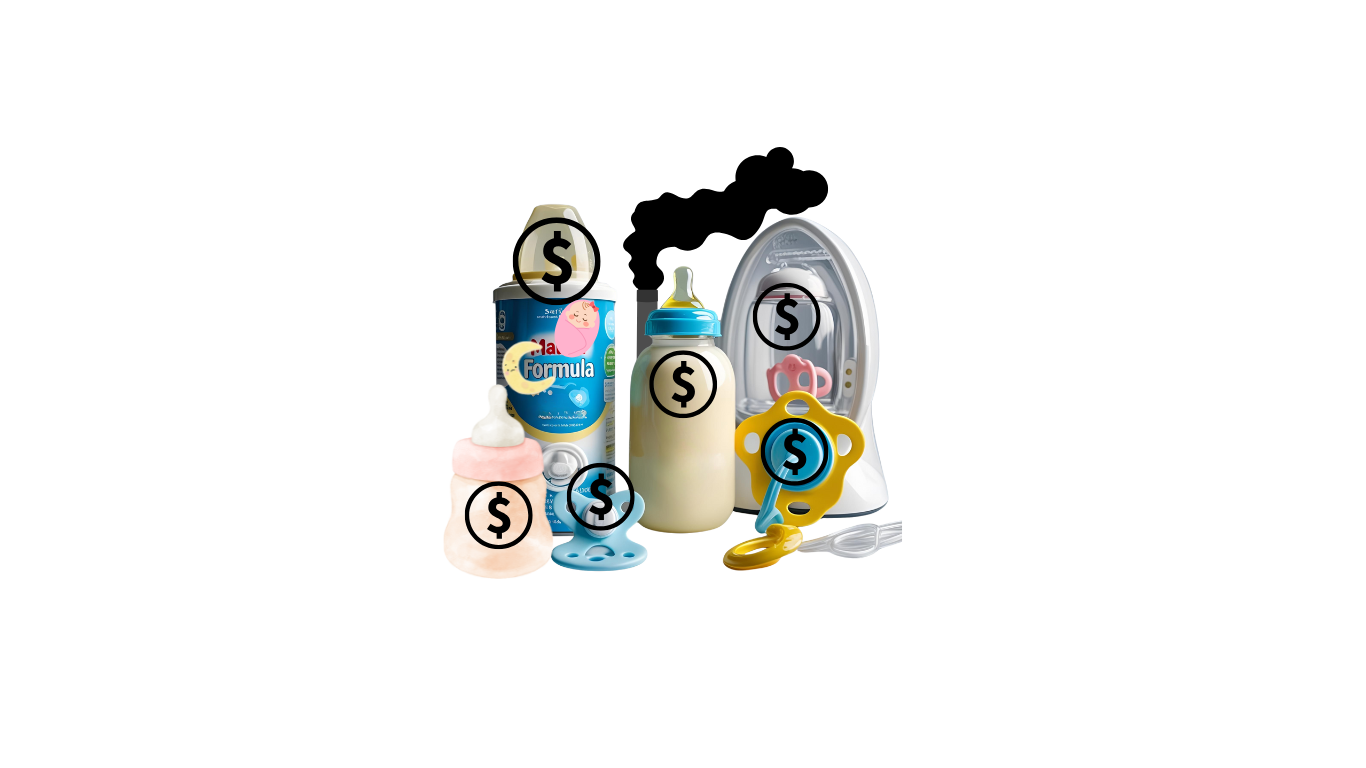
It might surprise you, but in wealthy countries like Australia, the US, and the UK, it’s actually the wealthiest women who are most likely to exclusively breastfeed. In fact, breastfeeding has quietly become something of a status symbol among the rich and powerful.
You won’t find many billionaires - or even upper-middle-class professionals - stockpiling tins of baby formula. Instead, they’re hiring lactation consultants, accessing private postnatal care, and investing serious time and resources into exclusive breastfeeding. So, why is that?
Breastfeeding as a Privilege
Breastfeeding is free - but it has its costs.
It costs time, flexibility and support - resources that wealthier families are more likely to have. While working-class women might return to inflexible jobs with no space to pump or no paid maternity leave at all, wealthier mothers often have access to:
- Extended paid parental leave
- Work-from-home arrangements or career autonomy
- Private postnatal care and lactation consultants
- Breastfeeding-friendly spaces at work
- A community that actively supports breastfeeding
- Knowledge of the short term and long term benefits of breastfeeding.
The Education Gap
Breastfeeding rates are tightly linked to education levels. University-educated women are statistically more likely to start - and stick with - breastfeeding. They’re more likely to be exposed to the latest research on the many health benefits, and more equipped to navigate the early challenges. A significant early challenge is sore, cracked, bleeding nipples that the ecobub nursing nipple shield was designed to help with.
Wealthier families also tend to consume more science-backed health and parenting content, giving them greater awareness of the long-term advantages of breastfeeding - from immune support to bonding and even maternal mental health.
Formula: A Working-Class Convenience?
On the flip side, formula feeding was once marketed as a scientific breakthrough that initially addressed women’s scheduled lives and lactation issues during the industrial revolution.
But it has, in many circles, become associated with necessity rather than choice. For parents with fewer resources, formula, despite it costing about $2,000 for the first six months, is often a practical response to real barriers: returning to work early, lack of support, domestic violence or struggling through feeding issues without expert help.
A Global Flip: Who Breastfeeds Around the World?
Here’s the twist: in lower-income countries, the pattern is reversed. There, poorer mothers are more likely to breastfeed, while wealthier mothers are more likely to use formula - as they still perceive it as being a sign of status.
In short:
- In high-income countries, wealthier women breastfeed more.
- In low-income countries, poorer women breastfeed more.
But - breastfeeding shouldn’t be a Luxury
When we talk about breastfeeding as a ‘choice,’ we need to ask: Who really has the choice?
What billionaires get through private midwives and flexible careers, every mother should have access to - regardless of postcode, payslip, or profession.
Because breastfeeding shouldn’t be a luxury. It should be a supported right.
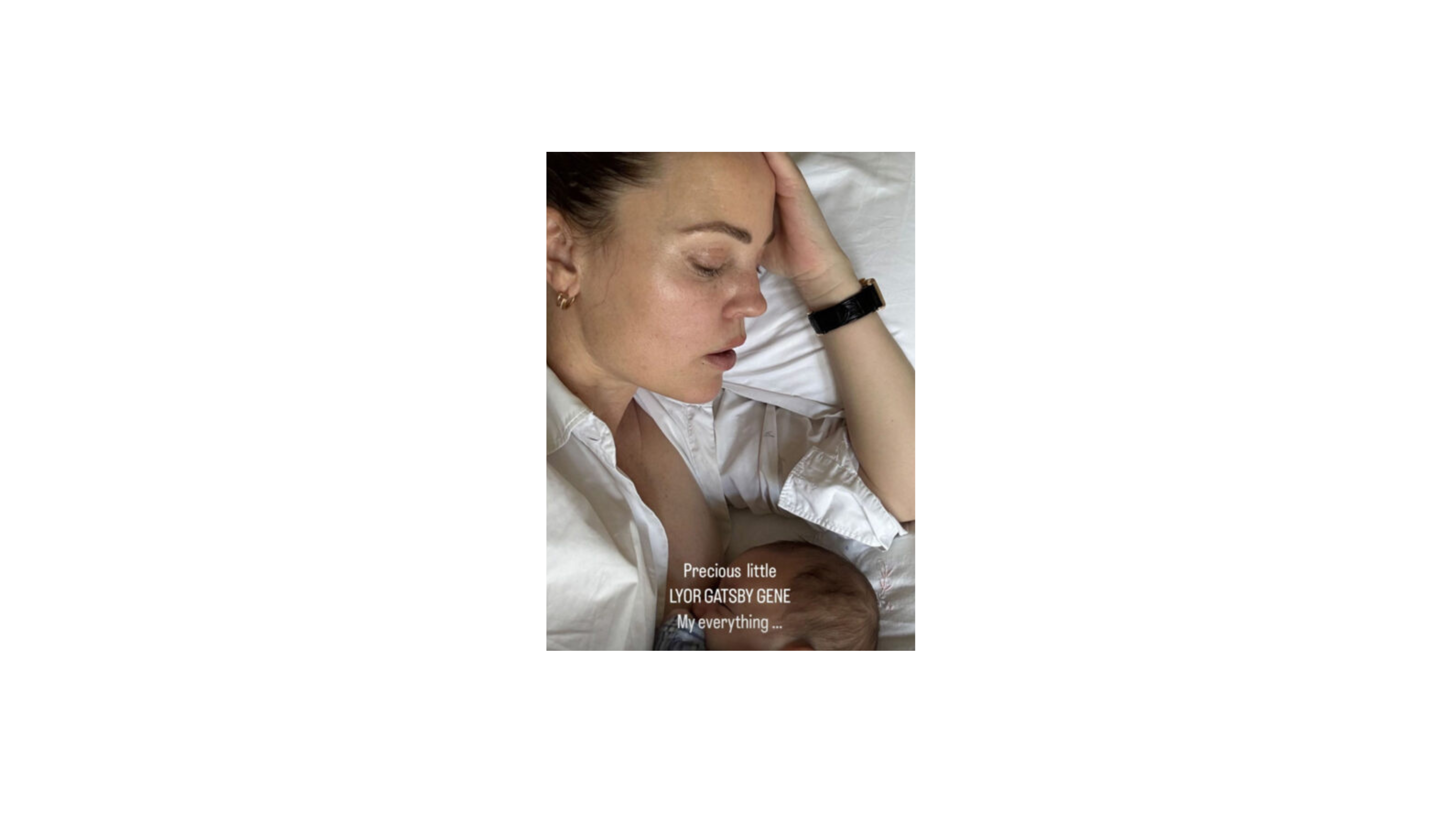
See related insta post: HERE
Discover ecobub on GOOGLE See our story, find Randwick stockists, and share your experience →



Laisser un commentaire
Ce site est protégé par hCaptcha, et la Politique de confidentialité et les Conditions de service de hCaptcha s’appliquent.