
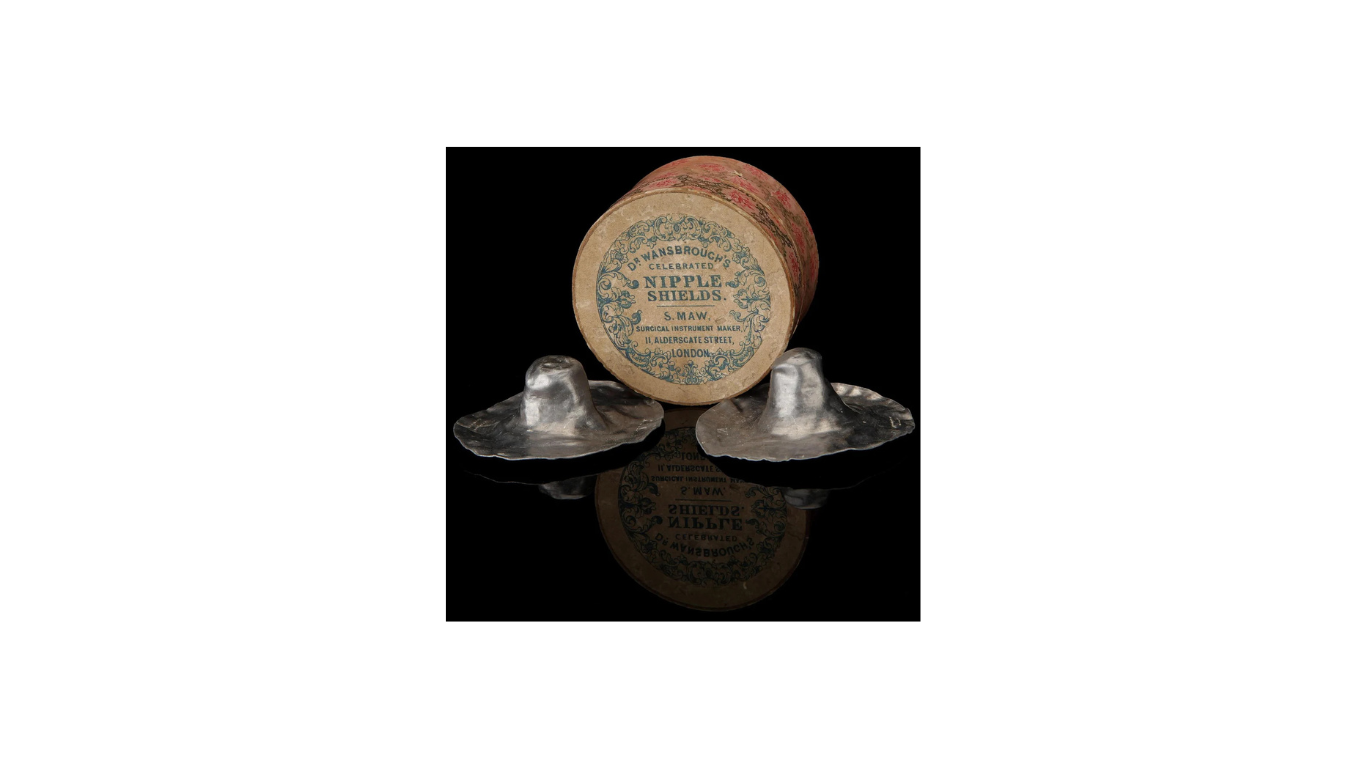
Yes, it's true. Historically, some nipple shields were made of lead, along with other materials such as silver, ivory, glass, pewter, and even wood. Lead was used because it was soft and malleable, making it easy to shape. The dangerous, toxic effects of lead were not widely understood at the time.
During the 1930s, baby formula started to become popular because doctors were enticed (with free holidays and gifts) by formula companies to recommend formula ahead of breastfeeding. As formula became popular, development of nipple shields waned. By 1970 only about 20% of American women initiated breastfeeding. Everyone else formula fed.
However, the environmental and women's movements during the 1970s brought breastfeeding back into popularity and by 1980, the first silicone nipple shield was developed. It was a similar shape to the lead nipple shields with a hole in the top for milk to pass through.
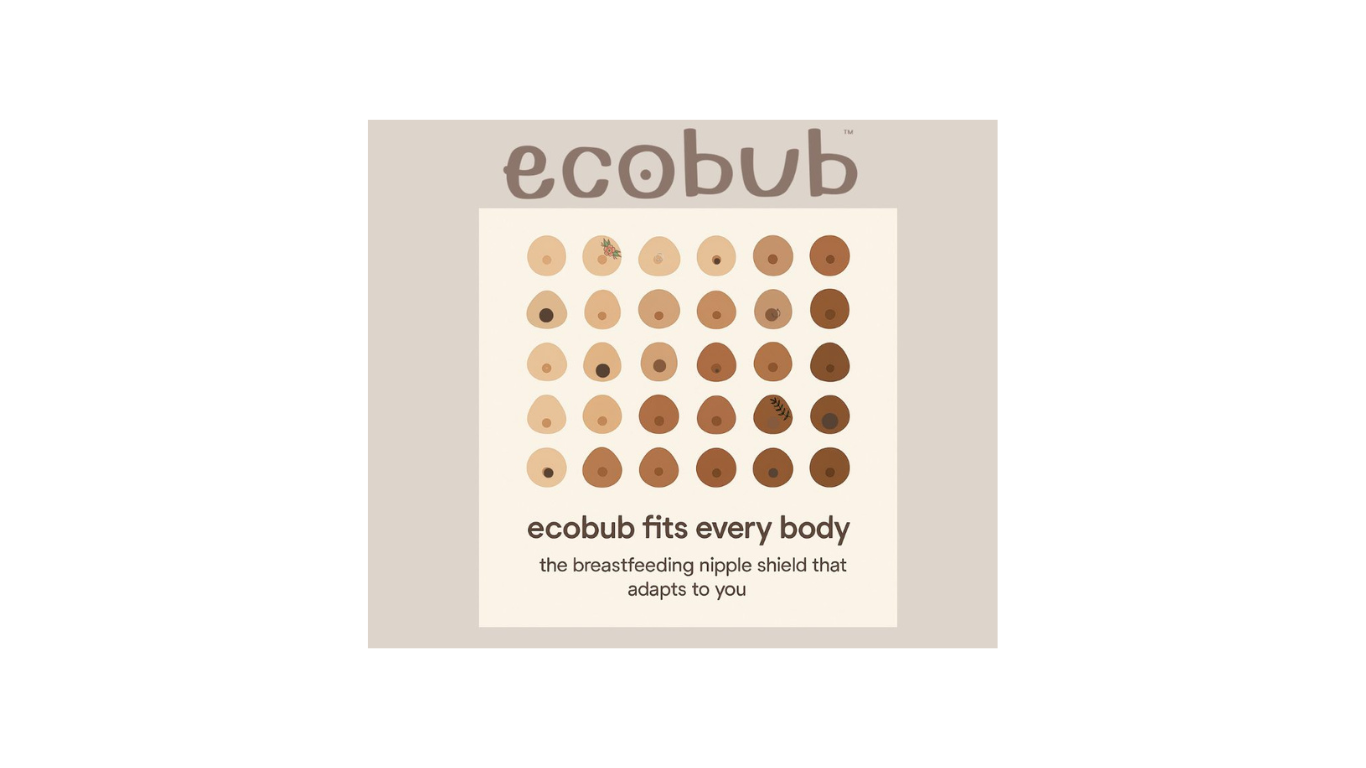
Fortunately, lead is no longer used due to its toxicity, especially dangerous to infants. Modern nipple shields are made of food-grade silicone which is safe, flexible, and hygienic.
The attached image is one of Dr. Wansbrough’s 'celebrated' Nipple Shields. These were a 19th-century brand of nipple shields that became relatively well-known in Victorian England. They were advertised as a solution for cracked, sore, or inverted nipples, a common problem for breastfeeding mothers then (as now). They were advertised as 'celebrated', which was a term used in the 1800s to imply they were trusted and popular.
** NOTE: Lead still remains in many products including products babies are in contact with such as the writing on some baby bottles. To test, you can buy lead testing kits to check for lead on painted surfaces or household items similar to the ones “@the.lead.lady” often shows on Instagram. These kits usually use swabs that change colour if they detect lead.


Leave a comment
This site is protected by hCaptcha and the hCaptcha Privacy Policy and Terms of Service apply.