
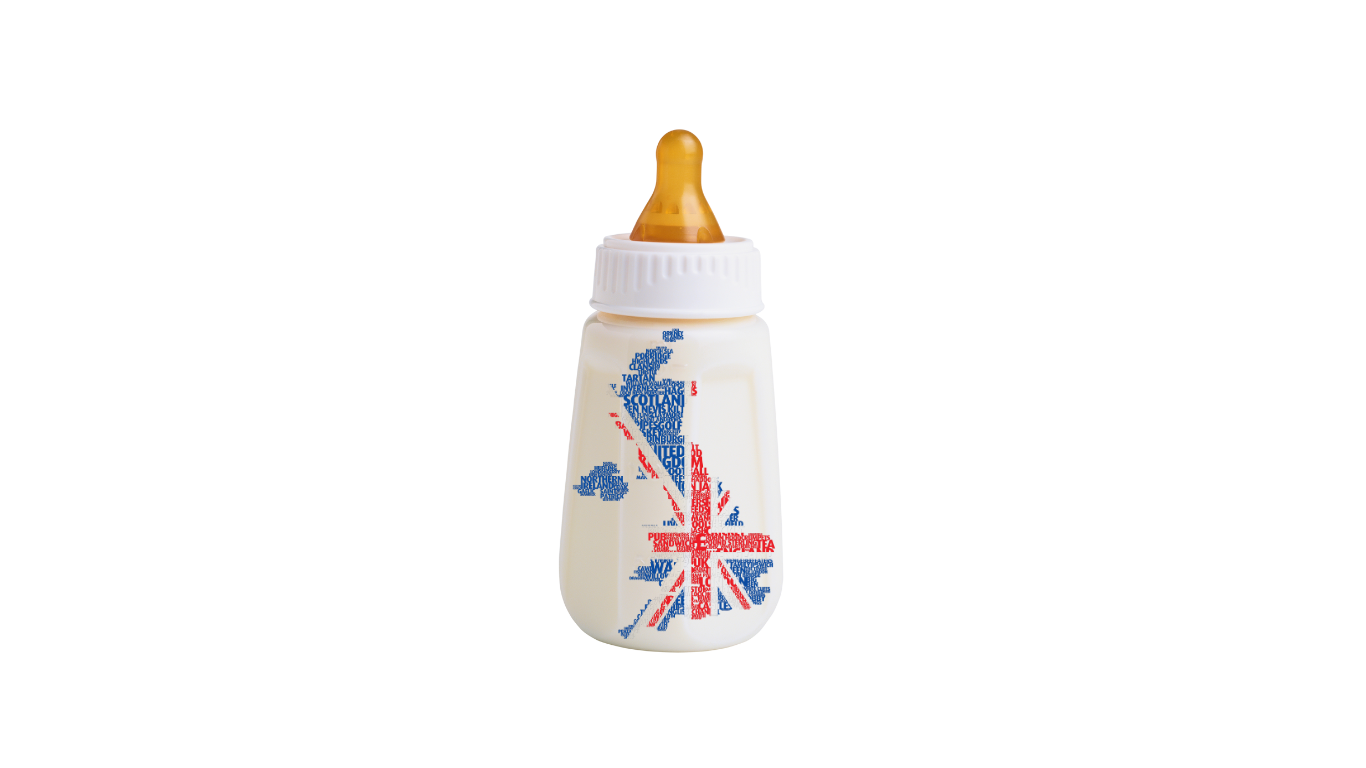
The United Kingdom continues to have the lowest exclusive breastfeeding rate (at 6 months), in the world. While global exclusive breastfeeding rates are rising steadily, the UK is falling behind.
According to UNICEF and WHO, exclusive breastfeeding rates globally have risen to around 48%, with predictions the global target of at least 50% will be reached by the end of 2025. This goal was set by the World Health Assembly as part of its Global Nutrition Targets in 2012. Many countries in Africa and South Asia boast exclusive breastfeeding rates of over 50% at 6 months, with countries like Rwanda reaching above 80%. These increases are the result of decades of advocacy, education, and policy improvements across the world.
In stark contrast, exclusive breastfeeding at six months in the UK remains below 1% — the lowest rate anywhere globally. While over 80% of mothers in the UK start breastfeeding at birth, the numbers drop dramatically within the first months. By six weeks, just under half of mothers are still breastfeeding at all, and almost all are mixed-feeding or formula feeding by six months.
Why are UK rates so low? The reasons are complex:
-
Social and cultural factors play a huge role. In the UK, bottle-feeding has been 'normalised' over generations, and breastfeeding in public is often still seen as uncomfortable or awkward.
-
Aggressive formula marketing has also been a significant influence, with formula promoted as convenient and modern, despite restrictions on direct advertising.
-
Lack of support is another major factor. Many mothers don’t receive enough hands-on help from health professionals or community networks, especially after leaving hospital care.
-
Workplace pressures contribute, too. Many women return to work before establishing breastfeeding routines, with limited facilities for expressing milk.
Encouragingly, wealthier and better-educated women in the UK are more likely to breastfeed, but national rates remain stubbornly low, particularly in more disadvantaged communities.
The UK’s breastfeeding challenges stand in stark contrast to positive global trends. If more targeted support, stronger policies, and cultural change can be achieved, the UK could begin to close the gap — giving babies a healthier start to life.
** NOTE: Lead still remains in many products including products babies are in contact with such as the writing on some baby bottles. To test, you can buy lead testing kits to check for lead on painted surfaces or household items similar to the ones “@the.lead.lady” often shows on Instagram. These kits usually use swabs that change colour if they detect lead.


Leave a comment
This site is protected by hCaptcha and the hCaptcha Privacy Policy and Terms of Service apply.